Blog
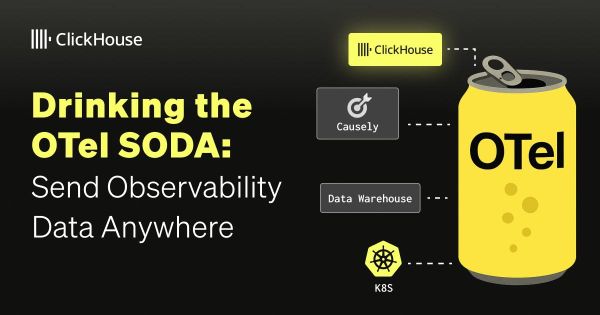
Drinking the OTel SODA: Send Observability Data Anywhere
With community-standard instrumentation and the OTel Collector, your metrics, logs, and traces are no longer trapped in a walled garden. Originally posted to the ClickHouse blog.
Blog
With community-standard instrumentation and the OTel Collector, your metrics, logs, and traces are no longer trapped in a walled garden. Originally posted to the ClickHouse blog.

coverage
Originally posted to International Business Times by David Thompson.
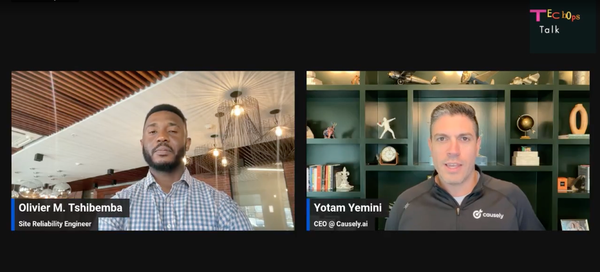
Causality
Learn why causal inference is the missing piece in AI-driven observability, and how Causely is the only AI SRE platform that uses causal reasoning to pinpoint where, what, and why application and system related issues occur.

coverage
Originally posted to Cloud Native Now by Mike Vizard.

coverage
Reposted from its original publication on TechTimes by Carl Williams

Causely product
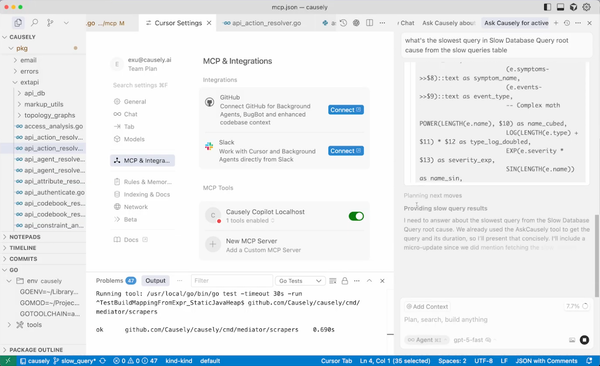
Causely announced the launch of the Causely MCP Server that seamlessly integrates into any MCP-compatible IDE and enables developers to automatically diagnose, understand, and remediate complex issues within Kubernetes and application code using natural language prompts.
Blog
The Causely MCP Server brings our Causal Reasoning Engine directly into the IDE so engineers can understand why incidents happen and apply the right fix at the right layer, whether that’s runtime, configuration, or code.

Press Release
Causely now leverages Google’s Gemini models to enhance how users interact with its Causal Reasoning Engine.
Blog
Gemini’s ability to interpret natural language, generate structured code, and summarize technical context complements Causely’s deterministic causal inference engine, turning complex telemetry into clear and reliable insights.

AI
Modern CTO Podcast's Joel Beasley sits down with Causely CEO Yotam Yemini to dive deep into the world of AI Site Reliability Engineering.

Blog
During a high-risk migration, Causely gave Quantum Metric a new kind of clarity rooted in cause-and-effect across dynamic systems. This helped them improve how they think about managing complexity at scale and move fast without breaking things.

coverage
Kubernetes has become the default backbone of cloud native architecture. But does it actually help you ship services more reliably, or is it just more moving parts?